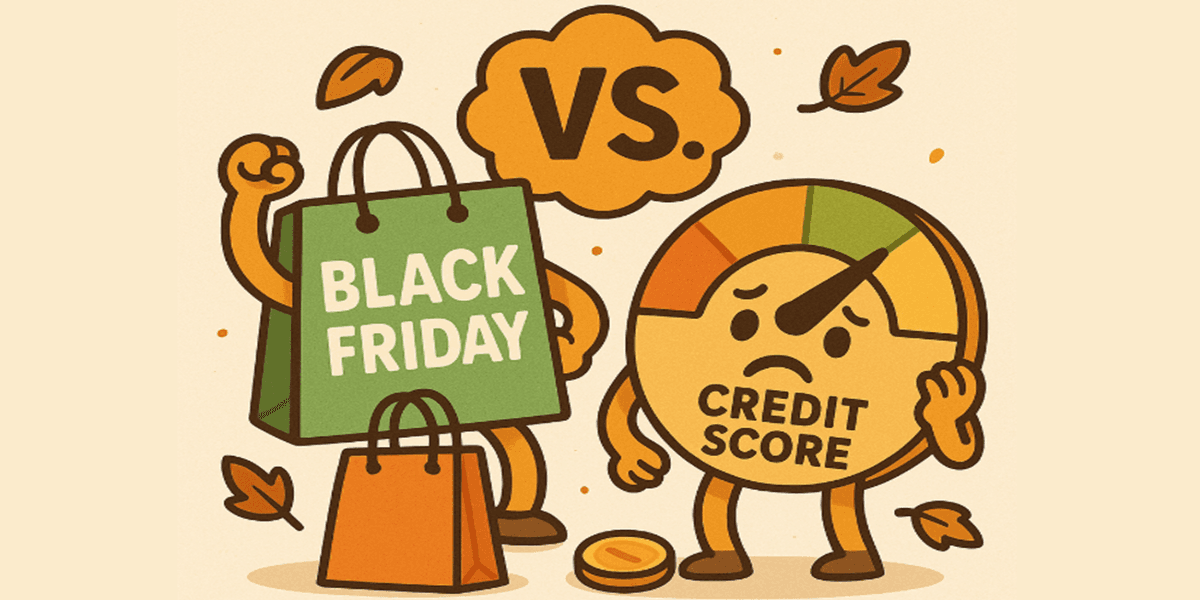
💳 Black Friday vs. Your Credit Score: Who Wins?📊
For millions of Americans, the day after Thanksgiving isn’t just about leftovers — it’s the unofficial national sport of shopping. Black Friday marks ...
The Great Holiday Showdown
For millions of Americans, the day after Thanksgiving isn’t just about leftovers — it’s the unofficial national sport of shopping. Black Friday marks the start of the holiday retail season, and the excitement can be contagious.
Stores open early. Ads scream “doorbuster deals.” Websites crash under the weight of eager shoppers chasing discounts. It’s fun, chaotic, and full of temptation.
But beneath the excitement lies a silent opponent: your credit score. While you might walk away with great deals, overspending or misusing credit cards can easily undo months of progress in building or maintaining good credit.
This Thanksgiving weekend, it’s not just about who gets the best price — it’s about who makes the smartest moves. Let’s explore how to make Black Friday work for you, not against your financial health.
1. The Link Between Black Friday and Your Credit Score
Your credit score — whether it’s from FICO® or VantageScore® — is a three-digit summary of your credit behavior. It reflects how responsibly you borrow and repay money.
During Black Friday, that score can fluctuate if your spending increases sharply. The main culprit? Credit utilization.
Credit utilization is the percentage of available credit you’re using. For example:
If you have a $5,000 limit and spend $1,500, your utilization is 30%.
If you max out a $1,000 card on deals, your utilization hits 100% — and your score can drop temporarily.
Experts recommend keeping utilization under 30% across all accounts. But during holiday spending sprees, many shoppers unknowingly exceed that threshold, especially if they use only one or two cards.
The impact may not be permanent, but it can affect your ability to qualify for new loans or better interest rates — right when you might be considering post-holiday financing or a balance transfer.
2. The Psychology of Holiday Spending
Retailers know how to make shopping feel irresistible. Limited-time offers trigger urgency, while “only 3 left!” messages activate our fear of missing out. Add in the social buzz of the holidays, and it’s easy to swipe without thinking.
Understanding these triggers helps you resist them. Before shopping, create a written or digital list of what you actually need. Set a total budget and a per-item limit. Then, leave your other credit cards at home or in your wallet — out of sight, out of mind.
Impulse spending doesn’t just hurt your wallet — it creates emotional stress later, especially when statements arrive in December. Staying mindful keeps you in control.
3. Shop Strategically, Not Spontaneously
Not every Black Friday deal is as good as it seems. Some stores raise prices weeks before the sale, only to lower them to “discounted” levels later.
Do your research in advance using sites like CamelCamelCamel, Honey, or PriceGrabber, which track price histories and help you spot real savings.
Here are a few smart shopping strategies:
Plan your purchases early. List what you need and check prices ahead of time.
Compare online vs. in-store deals. Some online sales start before Friday and last through Cyber Monday.
Avoid “buy now, pay later” traps. While these options sound harmless, missed payments can lead to fees or negative credit reporting.
Stick to cash-back or low-interest cards. These reward your spending without punishing you later.
And remember: if it wasn’t on your list before Thanksgiving, it probably isn’t a need — it’s a marketing moment.
4. The Dangers of Store Credit Cards
At checkout, you’ll often be offered an instant discount if you open a store credit card — “Save 20% today!” sounds tempting. But think twice before saying yes.
Here’s why store cards can backfire:
They often carry high APRs — sometimes 25–30%.
Each application triggers a hard inquiry, which can lower your score by a few points.
Many store cards have low credit limits, making it easy to max out and hurt your utilization ratio.
They can encourage repeat spending at the same store, even when unnecessary.
Unless you shop frequently at a specific retailer and can pay in full every month, it’s best to decline. One-day savings rarely outweigh long-term consequences.
5. How to Protect Your Credit During the Holidays
The best way to win the “credit vs. shopping” battle is to go in with a plan:
✅ Set spending limits. Determine how much you can realistically afford — not just what’s available on your card. ✅ Track balances weekly. Use your card’s mobile app or a budgeting tool to monitor spending in real time. ✅ Pay before the statement closes. Making an early payment can reduce your reported balance and improve your utilization. ✅ Avoid opening multiple new accounts. Each hard inquiry stays on your report for two years. ✅ Enable purchase alerts. Get notified of large transactions to prevent overspending or fraud.
Your credit health is built on consistency, not perfection. A few mindful actions can make all the difference.
6. Using Rewards Cards Responsibly
If you’re financially disciplined, Black Friday can be an opportunity to earn extra rewards or cashback. But only if you pay your balance in full when the statement arrives.
For example:
Use a cash-back card that offers 2–5% on groceries, electronics, or department store purchases.
Redeem rewards as statement credits instead of gift cards — this directly lowers your balance.
Avoid chasing points by overspending. The reward isn’t worth the interest if you carry a balance.
Responsible use can actually help your credit score. Regular, on-time payments and smart utilization show lenders you can manage credit effectively — even during the busiest shopping season.
7. What If You Overspend?
Even with the best intentions, it’s easy to overshoot your budget during the holidays. The key is not to panic — but to act quickly.
Here’s a simple recovery plan:
Stop using your cards once you notice balances creeping too high.
Make extra payments as soon as possible — even before your statement date.
Move balances strategically. Consider transferring high-interest debt to a 0% APR card if you can pay it off during the promotional period.
Adjust next month’s budget. Cut back on non-essentials to redirect funds toward repayment.
The faster you address the overspending, the faster your credit score recovers. A temporary dip isn’t the end of the world — it’s a signal to recalibrate.
8. Remember the “Why” Behind the Season
Black Friday can make it easy to forget what the holidays are truly about. Thanksgiving is a celebration of gratitude, not accumulation.
When you ground your financial choices in appreciation — for what you already have, for the loved ones around you, for your ability to earn and spend — it becomes easier to resist overindulgence.
Try reframing your mindset: Instead of “I deserve this deal,” think “I’m thankful I can make thoughtful choices.” That shift from consumption to contentment is powerful — and it protects your peace and your credit score.
9. The Gift of Financial Awareness
The most valuable gift you can give yourself this season isn’t a gadget or designer brand — it’s financial stability. Knowing how credit works, how purchases affect your score, and how to plan ahead ensures that by January, you’ll feel empowered instead of anxious.
Before you shop this year, take a few minutes to:
Check your credit score through your bank or free monitoring app.
Review your card’s APR and rewards structure.
Decide on one intentional splurge — and one area where you’ll consciously save.
This kind of financial self-awareness is what transforms short-term deals into long-term confidence.
Make Gratitude Your Greatest Deal
Black Friday doesn’t have to be a credit disaster — it can be a credit opportunity. Used wisely, your cards can earn rewards, build positive payment history, and help you meet your goals. Used recklessly, they can create months of regret.
So this Thanksgiving weekend, choose mindfulness over madness. Let gratitude, not marketing, guide your spending. Protect your credit, keep your budget balanced, and remember that no sale is worth sacrificing your financial peace of mind.
Because the best deal you’ll ever get — is the one that helps you protect your future.